9/11/26
How to check for a warrant in Vanderburgh County, what arrest and bench warrants mean under Indiana law, what missing court costs, and why to call a defense lawyer before you turn yourself in.
Read More about Vanderburgh County Warrant Search: How to Find Out If You Have a Warrant and What to Do Next 
8/31/26
What Indiana actually imposes for an OWI: the offense levels, the sentence and fine ranges, the license suspension, and how specialized driving privileges work.
Read More about Indiana DUI Laws and OWI Penalties: What a Conviction Costs 
8/31/26
Indiana's charge is operating a vehicle while intoxicated, which is why people here say OWI, not DUI. What the letters mean and what the charge involves in Southern Indiana.
Read More about OWI vs DUI in Indiana: What the Difference Actually Means 
8/24/26
Indiana's felony levels from murder to Level 6, with the sentence range for each under IC 35-50-2, plus how misdemeanor classes and enhancements fit in.
Read More about Indiana Felony Levels Explained: Sentences From Murder to Level 6 
8/24/26
Indiana's three misdemeanor classes explained: Class A, B, and C penalties under IC 35-50-3, common charges in each class, and when a charge becomes a felony.
Read More about Indiana Misdemeanor Classes: A, B, and C Penalties Explained 
8/24/26
What a Level 1 felony means in Indiana: the sentence range and advisory sentence under IC 35-50-2-4, common charges, and how a defense attorney can help.
Read More about Level 1 Felony in Indiana: Sentence Range, Common Charges, and Defense Options 
8/24/26
What a Level 2 felony means in Indiana: the sentence range and advisory sentence under IC 35-50-2-4.5, common charges, and how a defense attorney can help.
Read More about Level 2 Felony in Indiana: Sentence Range, Common Charges, and Defense Options 
8/24/26
What a Level 3 felony means in Indiana: the sentence range and advisory sentence under IC 35-50-2-5, common charges, and how a defense attorney can help.
Read More about Level 3 Felony in Indiana: Sentence Range, Common Charges, and Defense Options 
8/24/26
What a Level 4 felony means in Indiana: the sentence range and advisory sentence under IC 35-50-2-5.5, common charges, and how a defense attorney can help.
Read More about Level 4 Felony in Indiana: Sentence Range, Common Charges, and Defense Options 
8/24/26
What a Level 5 felony means in Indiana: the sentence range and advisory sentence under IC 35-50-2-6, common charges, and how a defense attorney can help.
Read More about Level 5 Felony in Indiana: Sentence Range, Common Charges, and Defense Options 
8/24/26
Indiana's Alternative Misdemeanor Sentencing allows Level 6 felony reduction to misdemeanor after three years, strict eligibility requirements, and demonstrated rehabilitation for improved employment opportunities.
Read More about Level 6 Felony Reduction to Misdemeanor in Indiana: Alternative Misdemeanor Sentencing Guide 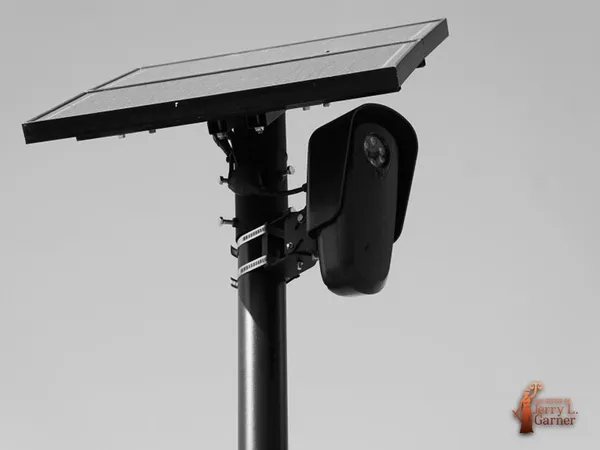
1/6/26
Flock camera evidence may be admissible in Indiana courts under the "silent witness" theory, but prosecutors must prove the system's reliability, proper chain of custody, and that images weren't altered.
Read More about Are Flock Cameras Admissible in Indiana Courts? What Criminal Defendants Need to Know 
11/24/25
Indiana requires identification during lawful stops for infractions under Burns Ind. Code Ann. § 34-28-5-3. Refusal constitutes a Class C misdemeanor with up to 60 days jail. Know your rights.
Read More about Is Indiana a Stop and Identify State? Know Your Rights 
10/14/25
Indiana's good time credit reduces prison sentences through good behavior and education. Credit classes earn varying rates. Rule violations can add months or years to incarceration.
Read More about Indiana Good Time Credit: How Inmates Can Reduce Prison Sentences 
8/26/25
Indiana's habitual offender enhancement adds 8-20 years to sentences for repeat felons. Non-suspendible penalties require strict sequencing of prior convictions with significant procedural safeguards and defense opportunities.
Read More about Indiana Habitual Offender Enhancement: How Repeat Felony Convictions Lead to Severe Penalties 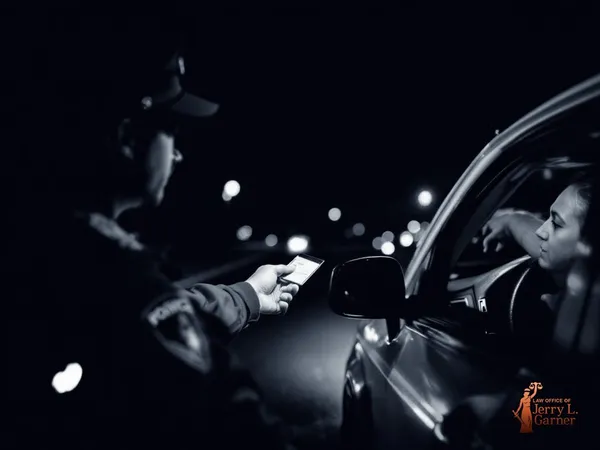
6/19/25
Indiana law requires you to provide name, address, and birth date during lawful traffic stops. Refusal constitutes a Class C misdemeanor with potential jail time and fines.
Read More about Indiana Stop and Identify Laws: What You Must Tell Police During Traffic Stops 
6/3/25
Defendants can use polygraph results at trial in Indiana, but only with written stipulation from all parties, qualified certified examiners, and specific jury instructions about the evidence's limitations.
Read More about Can Defendants Use Polygraph Results at Trial in Indiana? Understanding Lie Detector Test Evidence 
5/2/25
Indiana allows inmates temporary release for serious family matters like visiting ill relatives or attending funerals. While typically short-term, some provisions may permit longer arrangements in exceptional circumstances.
Read More about Understanding Compassionate Release for Family Issues in Indiana 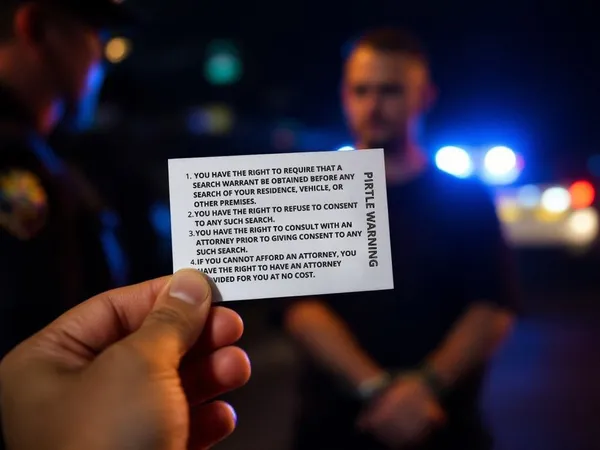
4/25/25
In Indiana, a Pirtle warning protects your right to legal counsel before consenting to searches while in custody. Without this warning, evidence obtained may become inadmissible, potentially changing your case outcome.
Read More about Understanding Pirtle Warnings in Indiana: Critical Protection for Those in Police Custody 
4/18/25
Worried your criminal record might block your career path in Indiana? Professional licensing is possible with the right approach—and legal guidance can make all the difference.
Read More about Can You Get a Professional License With a Criminal Record in Indiana? 
4/17/25
Criminal charges can haunt your life long after court ends. From employment barriers to housing denial, these "collateral consequences" affect your future even without conviction.
Read More about Beyond the Courtroom: Collateral Consequences